2025年12月24日星期三

How To Make Ball Mills Maintenance Plan?

 The core of developing a ball mill maintenance plan is to divide it into cycles, focus on key areas, and prioritize execution. I will help you organize the key points into a clear maintenance framework, and following it can make the equipment more durable and less prone to malfunctions.


1、 Maintenance cycle and project

Daily check

Lubrication system: Check the oil level and quality to ensure smooth oil flow.

Bearing temperature: If the temperature during operation is ≤ 65 ℃, stop the machine immediately if there is abnormal temperature rise.

Bolt tightening: Check if the anchor bolts and lining plate bolts are loose.

Transmission components: Check the wear or looseness of belts, gears, and couplings.

Feeding and discharging: Ensure uniform feeding and observe whether the particle size of the discharged material is normal.

Weekly maintenance

Lining wear inspection: If the thickness of the lining decreases by ≥ 30%, replace it in a timely manner.

Lubricating grease replacement: Supplement or replace lubricating grease according to usage.

Motor and reducer: Check the stability of the motor current and whether the reducer has any abnormal noise or oil leakage.

Cleaning residual materials: Clean the residual materials inside the cylinder after shutdown to prevent clumping.

Monthly maintenance

Internal inspection of the cylinder: Check for cracks or severe wear on the inner wall, lining plate, and compartment plate.

Gear meshing condition: Check the meshing clearance of the large and small gears, and adjust or repair the tooth surface wear if necessary.

Electrical system testing: Check the insulation performance of the motor and whether the wiring terminals are loose.

Cooling system cleaning: Clean the cooling fan and heat sink to prevent overheating caused by poor heat dissipation.

Long term shutdown maintenance

Thoroughly clean: empty the material, clean the inside of the cylinder, and avoid material compaction.

Rust prevention treatment: Apply rust proof oil to metal components such as bearings and gears.

Regular turning: Manually turn 1-2 times a week to prevent bearing deformation or jamming.


2、 Key component maintenance

Lubrication management

The temperature of the main bearing is ≤ 55 ℃. Change the gear oil every 3 months and clean the oil filter regularly.

Gear protection

The recommended hardness for large gears is ≥ HB300, and for small gears it is ≥ HRC45. Regularly check the sealing to prevent dust from entering.

Lining plate and steel ball

Check the wear condition weekly, and replace the lining plate in a timely manner when it is worn through or the diameter of the steel ball is worn down by 2/3.

Transmission system

Check the belt tension and gear engagement daily, and regularly clean dust and oil stains.

3、 Development of maintenance plan

Clearly identify the responsible person: designate a dedicated person to be responsible for maintenance to avoid omissions caused by unclear responsibilities.

Develop a schedule:

Daily: Check the appearance, operating parameters, and transmission components of the equipment.

Weekly: Clean the dust on the surface of the equipment, check the wear of the grinding medium and lining plate.

Monthly: Replace the lubricating oil of the gearbox, check the bearing temperature and lubrication condition.

Quarterly: Conduct a comprehensive inspection of the tightness of equipment connection bolts and calibrate monitoring instruments.

Track spare parts inventory: Ensure that major accessories are readily available to avoid maintenance delays due to missing parts.

Coordinate production and maintenance: Strengthen equipment patrol inspections and make timely adjustments in case of abnormal situations.

4、 Common fault warning

Abnormal noise: It may be due to bearing damage, gear wear, or loose bolts.

Large current fluctuation: Check for overload, material blockage, or motor failure.

Abnormal discharge particle size: It may be due to wear of the lining plate, damage to the compartment plate, or improper grinding material ratio.

How to extend the service life of ball mills?

 The key to extending the lifespan of ball mills lies in standardized operation, regular maintenance, and protection of critical components. Below, I will help you clarify the key points:


1、 Standardized Operation is the Foundation

Control material particle size and moisture content: It is recommended that the feed particle size be ≤ 25mm, as excessive moisture can lead to adhesive abrasion and lining wear.

Avoid idling: Run without material for no more than 30 minutes, otherwise it will exacerbate the wear and tear of the lining plate and steel ball.

Smooth start stop: Before starting, turn on the slow drive device and gradually reduce the material before stopping to minimize motor impact.

2、 Regular Mmaintenance is Essential

Lubrication management: The temperature of the main bearing should be ≤ 55 ℃, and the gear oil should be changed every 3 months. The oil filter should be cleaned regularly.

Check fasteners: Check the lining plate bolts weekly, replace them promptly if they are loose or broken, and prevent wear on the cylinder body.

Monitoring operation status: Check the motor current and voltage daily, and immediately shut down for troubleshooting if there are any abnormal fluctuations.

3、 Key Components Require Focused Protection

Gear protection: It is recommended that the hardness of the large gear be ≥ HB300 and the small gear be ≥ HRC45. Regularly check the sealing to prevent dust from entering.

Lining plate and steel ball: Check the wear condition weekly, and replace the lining plate in a timely manner when it wears through or when the diameter of the steel ball wears 2/3.

Transmission system: Check the belt tension and gear engagement daily, and regularly clean dust and oil stains.

4、 Environment and Detail Management

Maintain cleanliness: Regularly clean the machine of accumulated dust to ensure that the reducer has no oil leakage and the motor has good heat dissipation.

Voltage stability: The operating voltage is controlled at 380 ± 5V to avoid the host being unable to start or running abnormally.

Dedicated person in charge: Clearly define maintenance responsibilities and develop daily, weekly, monthly, and quarterly inspection plans.

By doing these things well, your ball mill will not only be more durable, but also have higher operating efficiency.

2020年4月2日星期四

Why is Coal Preparation Need

Raw coal is mixed with various mineral impurities in the process of formation, and inevitably mixed with rocks and other impurities in the roof and floor in the process of mining and transportation. So the raw coal must be prepared, the main purpose of coal preparation can be summarized as follows:


  • (1) Remove impurities in run-of-mine coal, reduce ash and sulfur, improve coal quality and meet the needs of users;
  • (2) Divide coal into different quality and specifications to meet the needs of users, so as to make effective and rational use of coal and save cost;
  • (3) After coal washing, gangue can be discarded on the spot, which can reduce invalid transportation and create conditions for comprehensive utilization of gangue;
  • (4) Coal washing can remove most of the ash and 50% – 70% pyrite sulfur, and reduce the air pollution caused by coal combustion. It is the premise of clean coal technology.

2019年12月24日星期二

Why Choose LZZG Sand Washing Machine

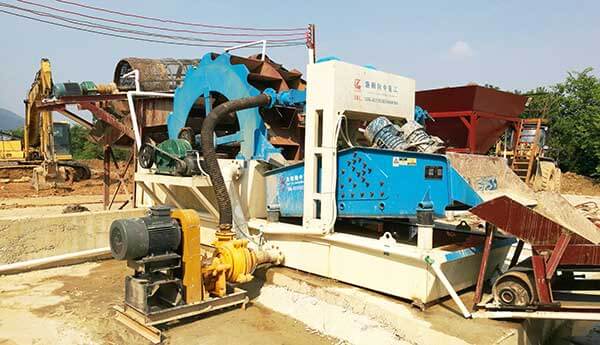
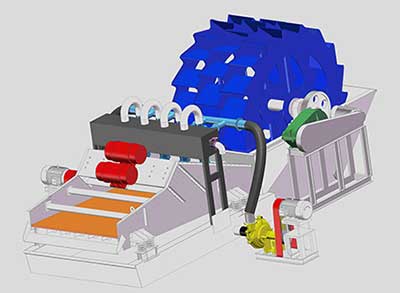
LZZG sand washing machine is a multi-functional sand washer combining a wheel sand washing machine and a fine sand recovery system.
We used a reliable structure to connect 2 different units, occupying a smaller area than the 2 Independent devices alone, and the structure design is stable and durable. In terms of function, ordinary sand washing machines on the market generally only have the function of sand washing, but LZZG Sand Washing Machines integrate three functions of sand washing, dewatering and recycling, make it available for supreme sand quality and maximise recovery of fine sand.
sans washing machine with recovery unit

How Sand Washing Machine Work

The gravel mixture enters the cleaning box from the feeding , and the impeller starts to rotate by the motor and the reducer, so that the materials are fully frictioned to remove impurities and destroy the water vapor layer on the surface of the material for subsequent dehydration and recovery.The washed material enters the lower dewatering device and removes a large amount of water through the high-speed vibration of the dewatering screen.
The waste water (containing a lot of fine sand, mud and other impurities) overflowing from the cleaning tank is pumped out by a vacuum high pressure pump, and fine sand is collected by the centrifugal force of the cyclone .Qualified materials will be returned to the dewatering equipment for dehydration treatment, and excess waste water will be discharged into the return water tank.

Design Highlights

sand washing
1. Just use a wheel sand washer or a screw sand washer, the discharged wastewater always contain a large amount of fine sand, which will cause the product loss.
2. LZZG sand washing machines contain 2 important components: wheel washing unit and fines recovery unit in a single machine, which make the sand specs be more precise.
3. Fine Recovery Unit make the sand and water separated on the dewatering panels, and resulting in a drier product with moisture content as low as 15%.
4. Hydrocyclones equipped on dewatering screen will recovery 0.075mm fines mixed in the slurry and reintroduced back onto the dewatering panels.

New Website lzzgafrica.com Has Been Revised

Luoyang Longzhong Heavy Machinery Co., Ltd. is an international enterprise specialized in R & D, production and marketing of mining machinery and industrial milling equipment. Our company develope the production of mining machinery and industrial milling equipment, crusher products are widely used in mining, metallurgy, construction, chemical, power, steel and other industries.

Company based on market demands, always adhere to the development strategy of large research and development, precise production, and excellent service, by virtue of the excellent quality products and efficient service to meet customer needs, so that the Luoyang Longzhong Heavy Machinery thinks globally! We will fully meet your diverse needs, and cast your new brilliant!


Why choose us?

The company has senior design engineers of the mining machinery and industrial milling equipment, domestic and foreign famous universities, degrees, and other technical elites, to provide an inexhaustible driving force for sustainable development of enterprises, and they work together to ensure the long product development, design, production and after-sales service in every aspect of efficient and perfect.

2019年9月29日星期日

What Is Sludge Thickeneing and Dewatering?

Sludge thickening and dewatering is two important stages in treating sludge. Thickening is the first step of sludge treatment in which the solids concentration is increased and the total sludge volume is correspondingly decreased, Thickening commonly produces sludge solids concentrations between 15% and 20%, LZZG Deep Cone Thickener results in maximum water recovery, maximum underflow density, can help to save the downstream costs.


Dewatring process reduces the most moisture content of the sludge. LZZG use filter press(mechanical dewatering) for dewatering. Separate liquids and solids utilizes the principle of pressure drive, after the mechanical dewatering process, the sludge will results in a 95% reduction in volume, which will be convenient for storage and transportation. Most overflows will be recycled or reusing.


Sludge treatment system is imporatant in treating solid waste. It minimizes the water waste, enabling the re-treatment of sludges so that they can be easily stock or landfill.
LZZG sludge treatment system is consist of Deep Cone Thickener and Filter Press, The systems usually used after sand washing machine, dewatering screen, tailing dewatering screen or sand recycling machines, widely applied for wastewater treatment of sandstone aggregate plant, precious metal dressing plant, ceramics, glass and other industries.

2019年9月8日星期日

What is lzzg filter press?

As a solid-liquid separation equipment, the filter press has a long history in the application of materials dewatering and liquids solids separation. Specifically, the slurry is pumped into the filter press chambers. Under the action of the pressure pump, the filter plates extrude each other, so the low moisture content cake is formed and released.
LZZG customized filter presses feature good separation effect and wide adaptability, especially for the sticky and fine materials. Whether you require a high capacity of Filter Press or a smaller footprint design, we will design best option standard or specific filter press solutions for each user based on the volume and type of slurry that needs to be dewatered.
As a professional filter press manufacturer, LZZG's extensive range of industrial filter presses, including plate filter press, belt filter press as well as a range of optional equipment accessories: automatic filter cloth cleaning system, auto plate shifting device, auto plate shaking device, automatic hydraulic device, and PLC auto-control, etc.